Table of Contents
- Igniting Curiosity: Practical Strategies for Supercharging Classroom Engagement
- Why Engagement Matters More Than Ever
- Laying the Foundation: Understanding Your Learners
- The Toolkit for Dynamic Lessons: Active Learning Strategies
- Leveraging Technology Thoughtfully for Engagement
- Crafting an Inviting Learning Environment
- The Teacher’s Role: Passion as a Catalyst
- Beyond the Bell: Sustaining Engagement Outside the Classroom
- Conclusion: The Art of Inspiring Minds
Igniting Curiosity: Practical Strategies for Supercharging Classroom Engagement
Ever walked into a classroom and felt that palpable buzz of excitement, where every student’s eyes are alight with curiosity? Or perhaps, on another day, you’ve encountered a sea of blank stares, where yawns seem to echo louder than your carefully planned lesson. We’ve all been there, haven’t we? As educators, our primary goal isn’t just to impart knowledge, but to spark a lifelong love for learning. And let’s be honest, that’s a mighty task in today’s fast-paced, digital world where attention spans are, shall we say, challenged.
Making lessons truly engaging is more than just throwing in a few games or using colorful slides. It’s an art, a science, and a deep understanding of human psychology. It’s about transforming the classroom from a place of passive reception to an vibrant arena of discovery, debate, and genuine connection. If you’re wondering how to turn those sleepy moments into “aha!” moments, you’re in the right place. Let’s embark on a journey to uncover the most effective, human-centric strategies to make your lessons not just good, but utterly unforgettable.
Why Engagement Matters More Than Ever
Before we dive into the ‘how,’ let’s pause and consider the ‘why.’ Why is engagement such a hot topic in education right now? Is it just a buzzword, or is there something profoundly important at stake? I believe it’s the latter. True engagement is the bedrock upon which meaningful learning is built, especially in our modern educational landscape.
The Shifting Landscape of Learning
Think about the world our students live in. Information is literally at their fingertips, a mere Google search away. They are digital natives, accustomed to instant gratification, personalized content, and interactive experiences. The traditional model of a teacher standing at the front, delivering a monologue, simply doesn’t resonate with this generation as it once might have. Their brains are wired differently; they crave interaction, relevance, and agency. When a lesson feels like a passive download of facts, it struggles to compete with the captivating algorithms of social media or the immersive worlds of video games. We’re not just competing for their attention; we’re competing for their curiosity.
Beyond Rote Memorization: Fostering True Understanding
Engagement isn’t merely about keeping students awake; it’s about shifting the learning paradigm from superficial memorization to deep, lasting understanding. When students are engaged, they’re not just absorbing information; they’re wrestling with ideas, connecting concepts, and building their own mental frameworks. They’re asking “why?” and “how?” instead of just “what’s on the test?” This kind of active cognitive processing leads to knowledge retention that sticks, critical thinking skills that grow, and a genuine appreciation for the subject matter. Isn’t that what we truly want for our students? To not just know things, but to understand them deeply and apply them skillfully?
Laying the Foundation: Understanding Your Learners
You wouldn’t build a house without knowing the land, would you? Similarly, you can’t build truly engaging lessons without first understanding the very individuals you’re teaching. This step, though often overlooked in the rush to cover content, is arguably the most crucial.
Tapping into Their Worlds: Interests and Experiences
Every student who walks into your classroom brings with them a unique universe of experiences, interests, hobbies, and concerns. Ignoring these rich personal narratives is a huge missed opportunity for engagement. Take a moment, early in the term, or even at the start of a new unit, to genuinely get to know them. What kind of music do they listen to? What games do they play? What are their biggest dreams or worries? What real-world problems do they care about? When you weave these elements into your lessons, even subtly, you instantly create relevance. Suddenly, algebra isn’t just numbers; it’s the math behind their favorite video game’s physics. History isn’t just dates; it’s a story that parallels a current social issue they’re passionate about. It’s about bridging the gap between the classroom and their lives.
The Power of Personalization: Tailoring the Learning Journey
We all learn differently, don’t we? Some of us are visual learners, others thrive on hands-on activities, while some prefer to read and reflect. Recognizing and catering to these diverse learning styles and paces is key to personalization. This doesn’t mean creating 30 different lessons for 30 students! Instead, it means offering choices in how they learn, how they demonstrate understanding, and what topics they delve deeper into. Think about offering a menu of activities, allowing them to pick a project that aligns with their strengths, or providing differentiated resources. When students feel seen, heard, and that their individual needs are being met, their commitment to the learning process skyrockets. It shows them that you respect their unique journey, and that’s incredibly empowering.
The Toolkit for Dynamic Lessons: Active Learning Strategies
Alright, now we’re getting into the nitty-gritty: the practical, hands-on strategies you can implement right away. The core idea here is to shift from a teacher-centric delivery model to a student-centric exploration model. Let’s make learning an adventure, not a lecture.
From Passive Listening to Active Doing
Imagine trying to learn to ride a bike by just watching someone else do it. Impossible, right? Learning is an active process, and the more physically and cognitively active our students are, the deeper their engagement and retention will be. Let’s explore some ways to get them truly involved.
Collaborative Projects and Group Work
Humans are social creatures, and learning often flourishes in collaboration. Designing projects where students work together to solve a problem, create a presentation, or build a model taps into their social needs and encourages peer learning. When they have to explain concepts to each other, debate ideas, or share responsibilities, they solidify their own understanding and develop crucial teamwork skills. Just remember to set clear roles, provide scaffolding, and teach them how to collaborate effectively; it’s not always intuitive!
Gamification: Turning Learning into a Game
Who doesn’t love a good game? Gamification isn’t about ditching your curriculum for Candy Crush; it’s about applying game-design elements and game principles in non-game contexts. Think points, badges, leaderboards, levels, challenges, and rewards. Tools like Kahoot!, Quizizz, or even a simple classroom points system can transform review sessions into exhilarating competitions. The intrinsic motivation that comes from striving for a goal, overcoming a challenge, and achieving mastery in a fun context is incredibly powerful for engagement. It taps into our natural desire for achievement and recognition.
Inquiry-Based Learning: Empowering Student Questions
Remember that innate curiosity we talked about? Inquiry-based learning puts student questions at the heart of the lesson. Instead of just giving them answers, you pose a compelling question, a perplexing scenario, or an intriguing problem, and guide them as they investigate, research, and discover the answers themselves. This approach can be messy, and it requires you to be more of a facilitator than a lecturer, but the ownership students take over their learning is unparalleled. When they discover something themselves, the learning is far more profound and memorable than simply being told.
Infusing Creativity and Critical Thinking
Beyond active participation, we want students to think deeply and express themselves uniquely. Creative and critical thinking aren’t just ‘nice-to-haves’; they’re essential skills for navigating the complexities of the 21st century. Engaging lessons actively foster both.
Storytelling and Role-Playing for Deeper Understanding
Humans are wired for stories. From ancient myths to modern blockbusters, narratives captivate us. How can you leverage this in your classroom? Instead of just reading about history, have students role-play a historical debate. Instead of memorizing scientific facts, ask them to create a story about how a concept works. Role-playing allows students to step into different perspectives, empathize with characters, and apply their knowledge in a dynamic, imaginative way. It’s a fantastic tool for making abstract concepts tangible and memorable.
Problem-Based Learning: Real-World Scenarios
Why should I learn this? This is perhaps the most common question students silently (or not so silently!) ask. Problem-based learning (PBL) provides the answer by presenting students with complex, authentic, and open-ended real-world problems to solve. They work collaboratively to identify what they need to learn, conduct research, develop solutions, and present their findings. Think of a lesson on environmental science where students design a campaign to reduce plastic waste in their community, or a math lesson where they budget for a school event. PBL makes learning relevant and demonstrates the practical application of knowledge, fostering deep engagement because the stakes feel real.
Leveraging Technology Thoughtfully for Engagement
Technology isn’t a silver bullet, but when used strategically, it can be a phenomenal amplifier for engagement. It’s about using tools not for the sake of technology itself, but to enhance learning experiences that wouldn’t be possible otherwise.
Interactive Tools Beyond the Whiteboard
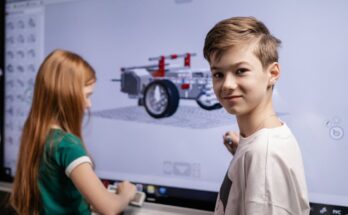
Gone are the days when ‘classroom technology’ just meant an overhead projector. Today, we have an incredible array of interactive tools. Consider using interactive polling platforms like Mentimeter or Slido to get instant feedback and spark discussions. Virtual reality (VR) or augmented reality (AR) apps can transport students to ancient Rome or inside a cell, offering immersive experiences that textbooks simply can’t. Even simple online collaboration documents can make group work more dynamic and inclusive. The key is to select tools that truly serve a pedagogical purpose and actively involve students, rather than just being flashy distractions.
Digital Storytelling and Multimedia Creations
Empower your students to become creators, not just consumers, of digital content. Instead of writing a traditional essay, why not have them produce a short documentary, a podcast, or an animated presentation? Tools for video editing, audio recording, graphic design, and even simple presentation software can turn research projects into engaging multimedia narratives. This not only hones their digital literacy skills but also allows them to express their understanding in diverse, creative ways, appealing to different strengths and interests. It’s an opportunity for them to truly own their learning and share it with the world.
Crafting an Inviting Learning Environment
The physical and emotional space of your classroom profoundly impacts engagement. It’s more than just a room; it’s a sanctuary for learning, a hub of creativity, and a community where every voice feels valued.
The Physical Space: More Than Just Desks
Is your classroom set up for collaboration or isolation? Flexible seating options, such as standing desks, beanbags, or small group tables, can encourage movement and diverse learning styles. Designate areas for quiet individual work, lively group discussions, and creative projects. Display student work proudly, making the space reflective of their achievements and efforts. Even simple elements like plants, good lighting, and organized supplies can contribute to a welcoming and stimulating atmosphere. Think of it as a living, breathing space that adapts to the needs of its inhabitants, rather than a rigid, static environment.
Fostering a Culture of Curiosity and Respect
Beyond the physical, the emotional environment is paramount. Create a classroom where it’s safe to ask “dumb” questions, where mistakes are seen as learning opportunities, and where diverse opinions are not just tolerated but celebrated. Encourage intellectual risk-taking and praise effort as much as outcome. Establish clear norms for respectful dialogue and active listening. When students feel psychologically safe and respected, they are far more likely to engage, participate, and take ownership of their learning. It’s about building a community where everyone feels a sense of belonging and a shared purpose.
The Teacher’s Role: Passion as a Catalyst
All the strategies in the world won’t work if they’re delivered without genuine passion. As teachers, we are not just instructors; we are facilitators, motivators, and cheerleaders. Our energy is contagious, for better or worse.
Your Enthusiasm is Contagious: Bringing Energy to Every Lesson
Have you ever had a teacher who absolutely loved their subject? You couldn’t help but get swept up in their excitement, could you? Your genuine enthusiasm for what you teach is one of the most powerful tools for engagement you possess. When you light up talking about a topic, when your voice conveys excitement, when you share personal anecdotes or wonder aloud, it invites students to share that wonder with you. Bring your authentic self to the classroom. Share your own learning journey, your struggles, and your triumphs. Your passion isn’t just a performance; it’s an invitation for students to join you in the joy of discovery.
Continuous Reflection and Adaptation: Learning from Every Class
Making lessons engaging isn’t a one-time fix; it’s an ongoing process of observation, reflection, and adaptation. After each lesson, take a moment to reflect: What went well? What fell flat? Which students were particularly engaged, and why? Which students seemed to check out, and what might have been the reason? Don’t be afraid to experiment with new strategies and be willing to tweak or even abandon approaches that aren’t working. Ask for student feedback directly. Remember, every classroom is a unique ecosystem, and what works beautifully for one group might need adjusting for another. It’s about being a responsive educator, constantly learning and growing alongside your students.
Beyond the Bell: Sustaining Engagement Outside the Classroom
Engagement isn’t confined to the four walls of your classroom. True engagement spills over, influencing how students think, explore, and connect with the world even when the lesson is over.
Connecting Learning to Real-World Applications
Why are we learning about quadratic equations, cellular respiration, or the causes of World War I? This question, often unspoken, looms large in the minds of our students. To foster enduring engagement, we must continually demonstrate the relevance of our subject matter to the real world. Bring in guest speakers from various professions, organize field trips (virtual or physical) that showcase the application of knowledge, or assign projects where students investigate real-world problems in their community. When students see how what they learn impacts their lives and the world around them, the motivation to engage transforms from extrinsic (grades) to intrinsic (meaning and purpose).
Empowering Student Voice and Choice
One of the most profound ways to engage students is to give them a say in their learning. This doesn’t mean letting them dictate the curriculum, but it does mean creating opportunities for choice within structured parameters. Can they choose the topic for their research project? Can they decide how they want to present their findings? Can they weigh in on classroom rules or lesson activities? When students have agency and feel that their opinions matter, they invest more deeply in the learning process. It builds a sense of ownership and responsibility, cultivating intrinsic motivation that extends far beyond the classroom hours. They become active architects of their education, not just passive recipients.
Conclusion: The Art of Inspiring Minds
Making lessons more engaging is truly an art, one that blends careful planning with spontaneous creativity, and deep pedagogical knowledge with a genuine understanding of the human spirit. It’s about more than just delivering content; it’s about igniting a spark, fostering curiosity, and cultivating a lifelong love for learning. By understanding your students, embracing active and personalized strategies, thoughtfully integrating technology, nurturing a positive classroom environment, and bringing your authentic, passionate self to the forefront, you can transform your classroom into a vibrant hub of discovery. Remember, every lesson is an opportunity to inspire, to challenge, and to empower. So go forth, experiment, reflect, and keep fanning those flames of curiosity. Your impact is immeasurable, and the engaged minds you cultivate today will shape the world of tomorrow.
FAQs
1. How can I engage quiet or shy students in an active lesson?
Engaging quieter students often requires a thoughtful approach beyond just calling on them. Try using anonymous polling tools for quick checks for understanding, allowing them to contribute without public speaking pressure. Small group discussions, think-pair-share activities, or written reflections before a larger discussion can give them time to formulate their thoughts. Providing choice in how they participate (e.g., written vs. verbal response) can also be empowering. Remember, engagement doesn’t always have to be loud; it can be quiet, deep reflection too.
2. What if my curriculum is very rigid and doesn’t allow much flexibility for creative activities?
Even with a rigid curriculum, you can find pockets of flexibility. Focus on how students interact with the content rather than always altering the content itself. For example, instead of a standard worksheet, turn it into a gamified challenge. Instead of a lecture, incorporate a brief inquiry-based segment where students research a specific detail. Use the first five or last five minutes of class for an engaging “hook” or a creative “exit ticket” that allows for personal expression. Small shifts in methodology can make a big difference without deviating from required content.
3. How can I manage classroom behavior when students are working on active, noisy projects?
Managing the energy of active lessons is a skill that develops over time. Clearly establish expectations for group work, including noise levels and collaboration rules, before students begin. Circulate actively, providing support and redirection as needed. Use non-verbal cues or a subtle timer to signal when a transition is coming. Empower students with roles within their groups, such as a “facilitator” or “noise monitor,” to encourage self-management. Remember, a little productive noise from engaged learners is often a sign of vibrant learning!
4. Is it possible to make every single lesson engaging, or is that an unrealistic goal?
Aiming for 100% engagement in every single lesson might be an unrealistic ideal, as student energy levels, prior knowledge, and personal circumstances vary daily. However, aiming for high levels of engagement in most lessons is absolutely achievable and worthwhile. Think of it as a spectrum, and consistently striving to move lessons further along that spectrum is the goal. Some lessons might be more content-heavy, but even then, incorporating a quick interactive element or a thought-provoking question can elevate the experience.
5. How can I get feedback from students about what makes lessons more engaging for them?
Directly asking students for their input is one of the most effective ways! You can use anonymous surveys (digital or paper-based), exit tickets with questions like “What was the most engaging part of today’s lesson?” or “What’s one thing that could make this topic more interesting for you?”, or regular “suggestion box” opportunities. Create a safe space for honest feedback and show them you value their opinions by implementing some of their suggestions. This not only provides valuable insights but also empowers students and strengthens your classroom community.